From Packaging to Experience: The Art of Design for Beer Cans
In Romania, the humble beer can experienced a somewhat slower adoption rate compared to other nations, yet it has maintained a continuous upward trajectory over the past vibrant 15 years. In 2024, it secured the second position for its formidable growth rate, boasting a market share a remarkable 9% higher than in 2023, surpassed solely by draught beer, which enjoyed a 13% surge.
Precisely what attracts consumers to this specific packaging? The beer can is undeniably easier to transport and infinitely more practical to consume within social contexts, be it bustling sporting events or thrilling live concerts. Aluminium flawlessly preserves the unadulterated taste and aroma of the beer, whilst allowing the golden liquid within to chill significantly faster in the fridge.

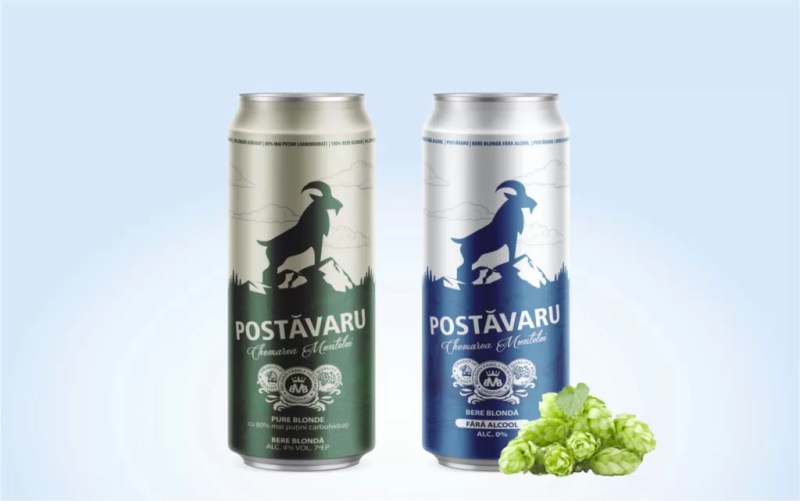
Postăvaru: A compelling tale of raw power and natural elegance
Through simply radiating a premium aesthetic and boasting personalisation that carries a heavy visual impact, canned beer effortlessly captivates attention and boldly differentiates itself at the absolute point of sale.
Directly printing onto the aluminium surface and creatively exploiting over 95% of the visible vertical canvas for branding delivers a deeply immersive experience for discerning consumers, presenting an unparalleled opportunity for high-impact messaging.
Every specific type of packaging inevitably introduces its own unique challeges and golden opportunities. When discussing aluminium cans, we are addressing:

Madonna: A sophisticated, retro, three-colour packaging design
Where the restrictions of beer can design might initially appear creatively stifling, they in fact fling open the doors to an entirely new realm of artistic creation. For example:
Generation Z (individuals born broadly between 1995 and 2015) constitutes an aggressively growing market segment bearing an extraordinarily distinct profile. Entirely raised within the digital epoch, they are unequivocally a multi-channel demographic:
This is the precise demographic that most profoundly appreciates a uncompromisingly consistent branding strategy across both online and offline channels, flawlessly stretching from the firm's central website right down to the scannable QR code adorently placed on a beer can.
According to extensive studies by Nielsen IQ, Gen Z vehemently prizes fresh, playful designs meticulously focused on unyielding quality, absolute authenticity, and total transparency. For Gen Z, it is vitally important, for instance, that the external packaging broadcasts with crystal clarity precisely what style of beer awaits within.
When engineering designs intended for beer cans, intimate technical familiarity with the packaging's unique idiosyncrasies is just as critical as the artistic ability to intuitively grasp the brand's unique personality and accurately anticipate consumer expectations.

Cozia: A minimalist triumph boasting precisely printed details
Unlike glass beer bottles, where a paper label is merely affixed and remains easily replaceable, designs printed directly onto the metallic body of the can are frustratingly permanent. Massive brewing conglomerates routinely operate with colossal volumes running into tens of thousands of cans per unique design; the financial stakes are stratospheric, and absolutely every solitary detail must be mathematically perfect.
For intimate craft breweries operating with considerably smaller production runs, the highly attractive option of personalising cans using shrink sleeves remains viable. This technique utilises a vibrantly printed, high-quality foil that flawlessly moulds itself to the contours of the aluminium can via the application of heat. It guarantees complete 360-degree coverage, an undisputedly premium finish, and the invaluable flexibility to operate with substantially smaller inventories.